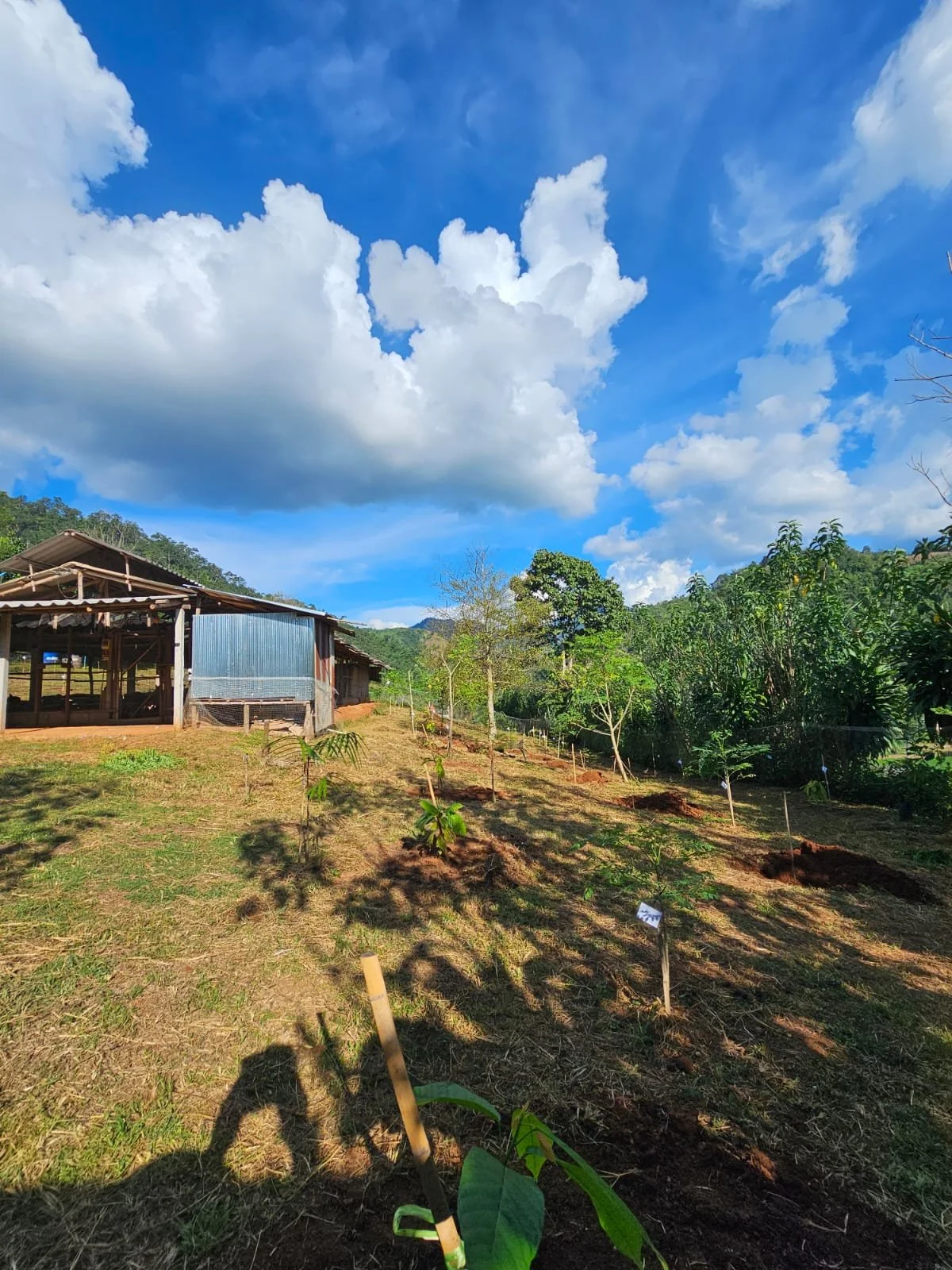
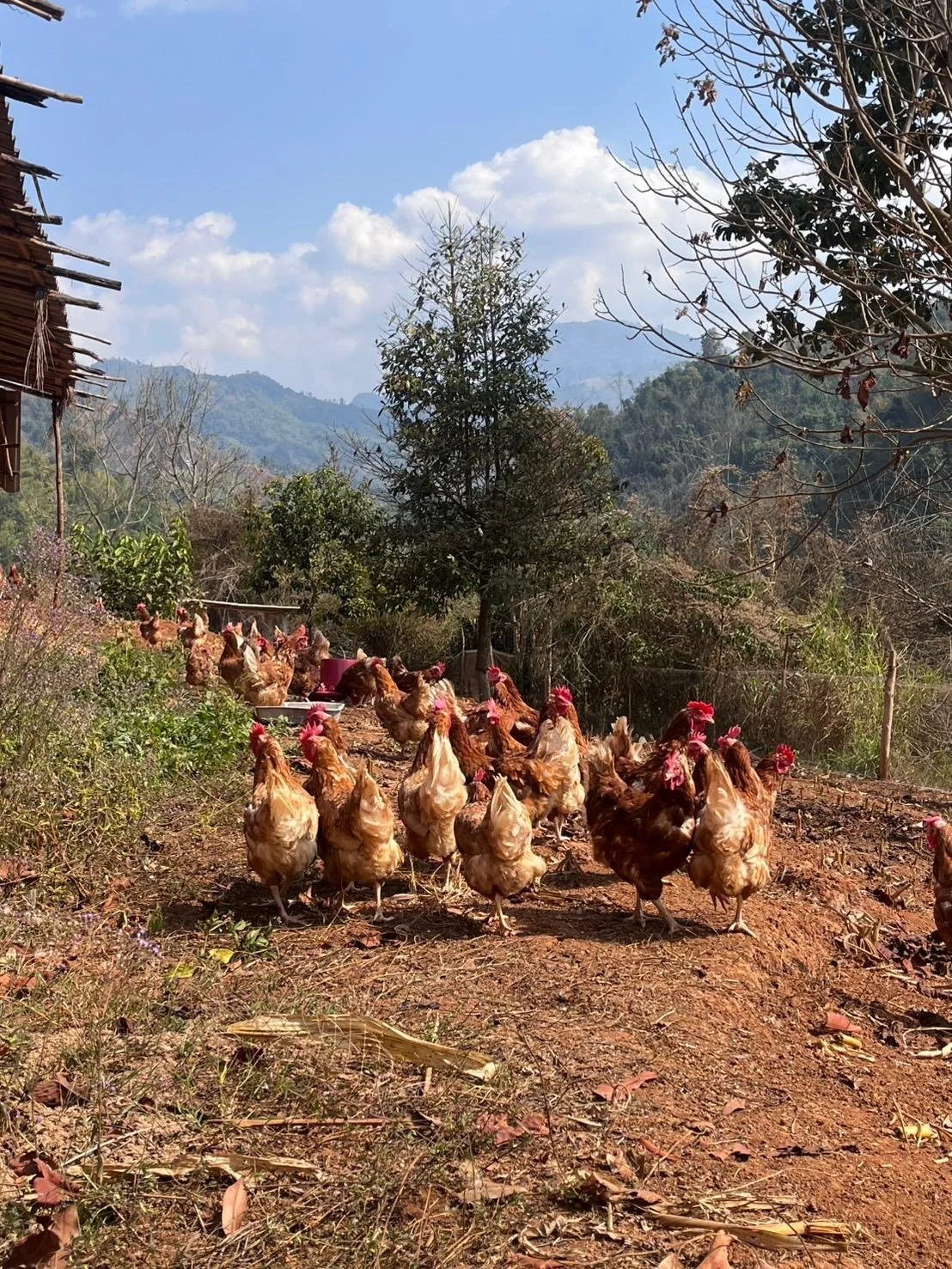
A Thriving Model Farm is Underway.
Wawee Valley Foundation Project Update #5
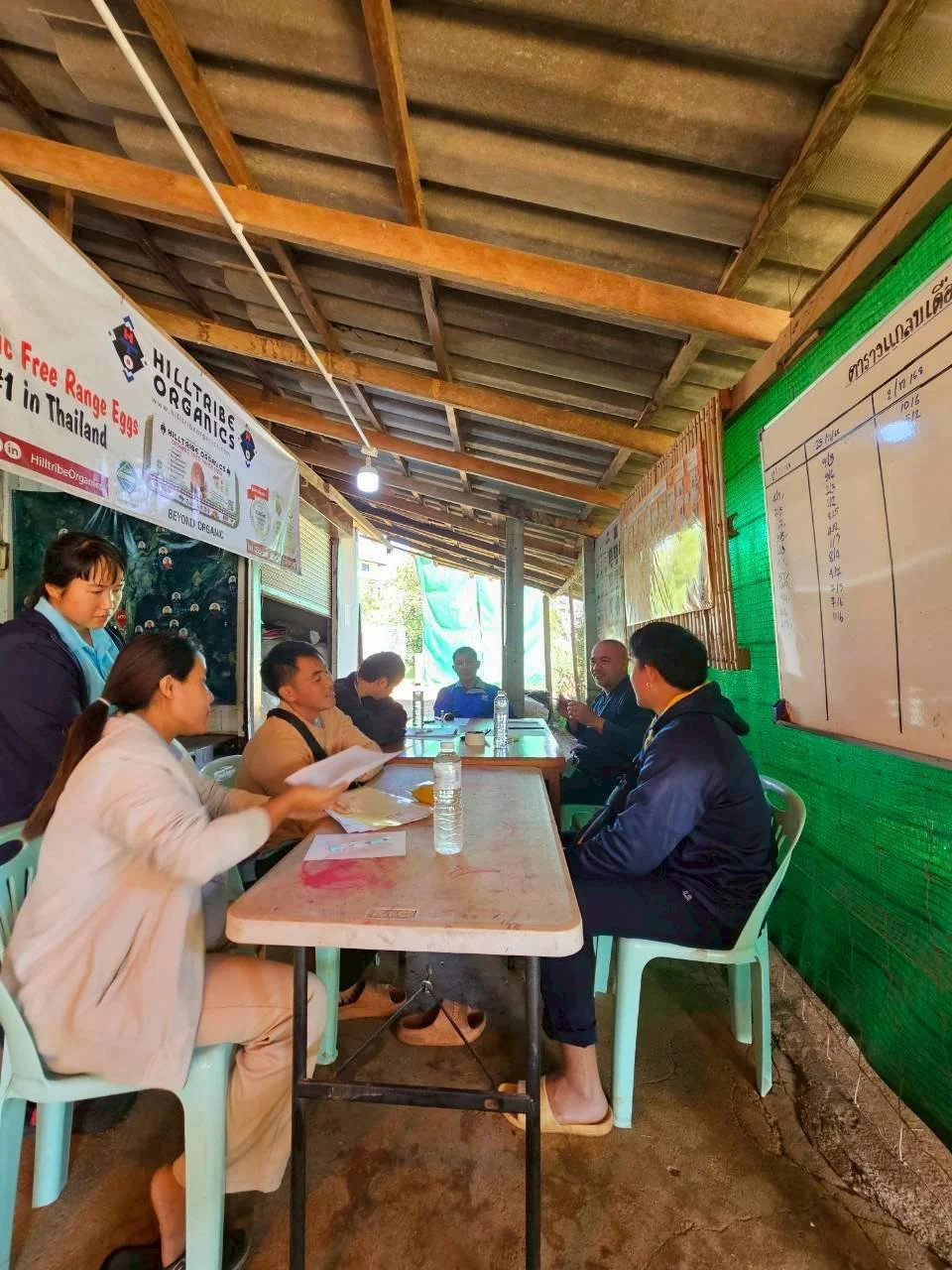
Two months after completion, the newly planted crops are establishing well and demonstrating strong, healthy growth. Ongoing training is being led by a locally appointed coffee expert, focusing on best practices such as tree-level weeding, organic fertilisation, and mulching to support effective agroforestry management.
In the coming months, the project aims to engage 50 farms across the valley in adopting this agroforestry model, with an additional 50 farms targeted by the end of 2026.
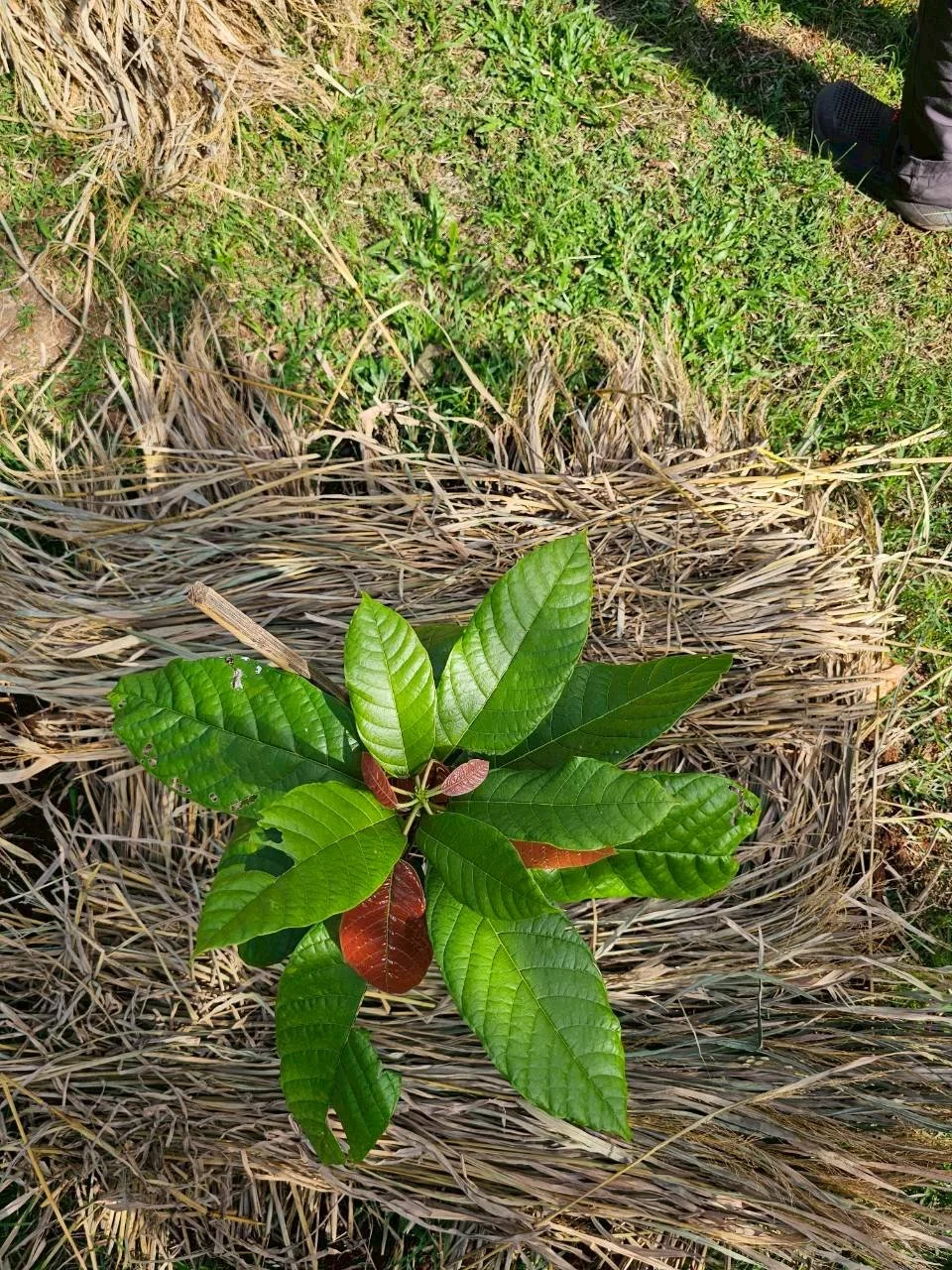
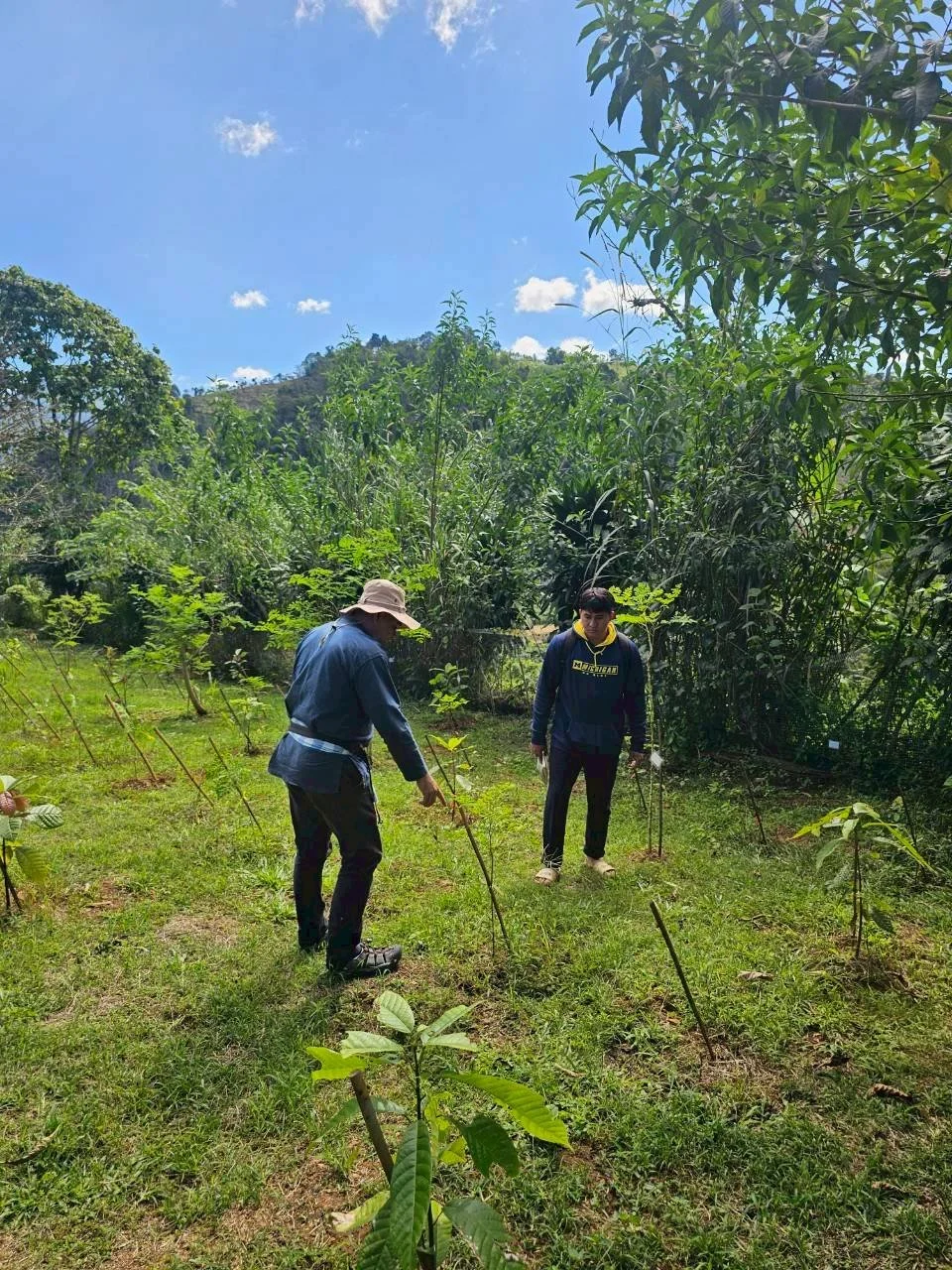
Heavy mulching around cacao trees (left) is helping protect soil moisture, while a locally appointed coffee expert trains the Wawee Valley Foundation’s new project assistant (right) on day-to-day agroforestry practices.
Looking ahead, biochar has been identified as an important next step for improving soil health. The team is currently testing different locally sourced feedstocks — such as corn husks and rice straw — to determine the most effective and practical solution.
Field experience suggests that producing biochar directly on farms, rather than at a centralised facility, reduces logistical barriers and encourages farmer adoption. This decentralised model reflects successful approaches used by the reNature team in other projects and will help guide future implementation.
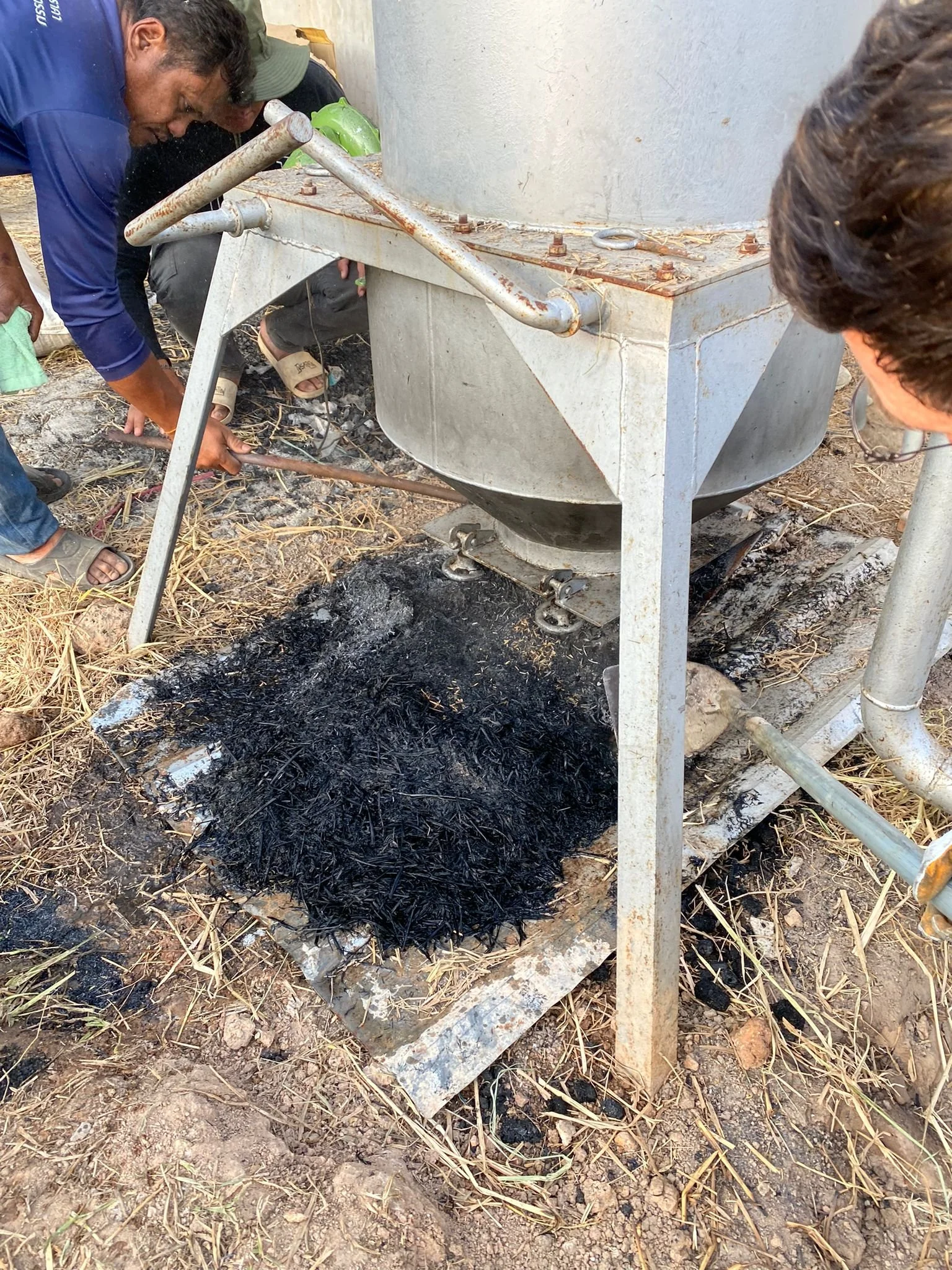
Alongside ongoing work in model farm monitoring, farmer engagement, and biochar trials, the Wawee Valley team is laying the groundwork for the next phase of growth. This includes relocating the project headquarters, setting up a dedicated nursery and sourcing plants, as well as developing new rice and corn model farms.
With ambitions to achieve greater impact in 2026, the team is now developing a Phase 2 proposal to secure additional funding. This next phase aims to deepen on-the-ground support, scale regenerative agriculture across Northern Thailand, and elevate international awareness of this growing movement.
Stay tuned for more!